
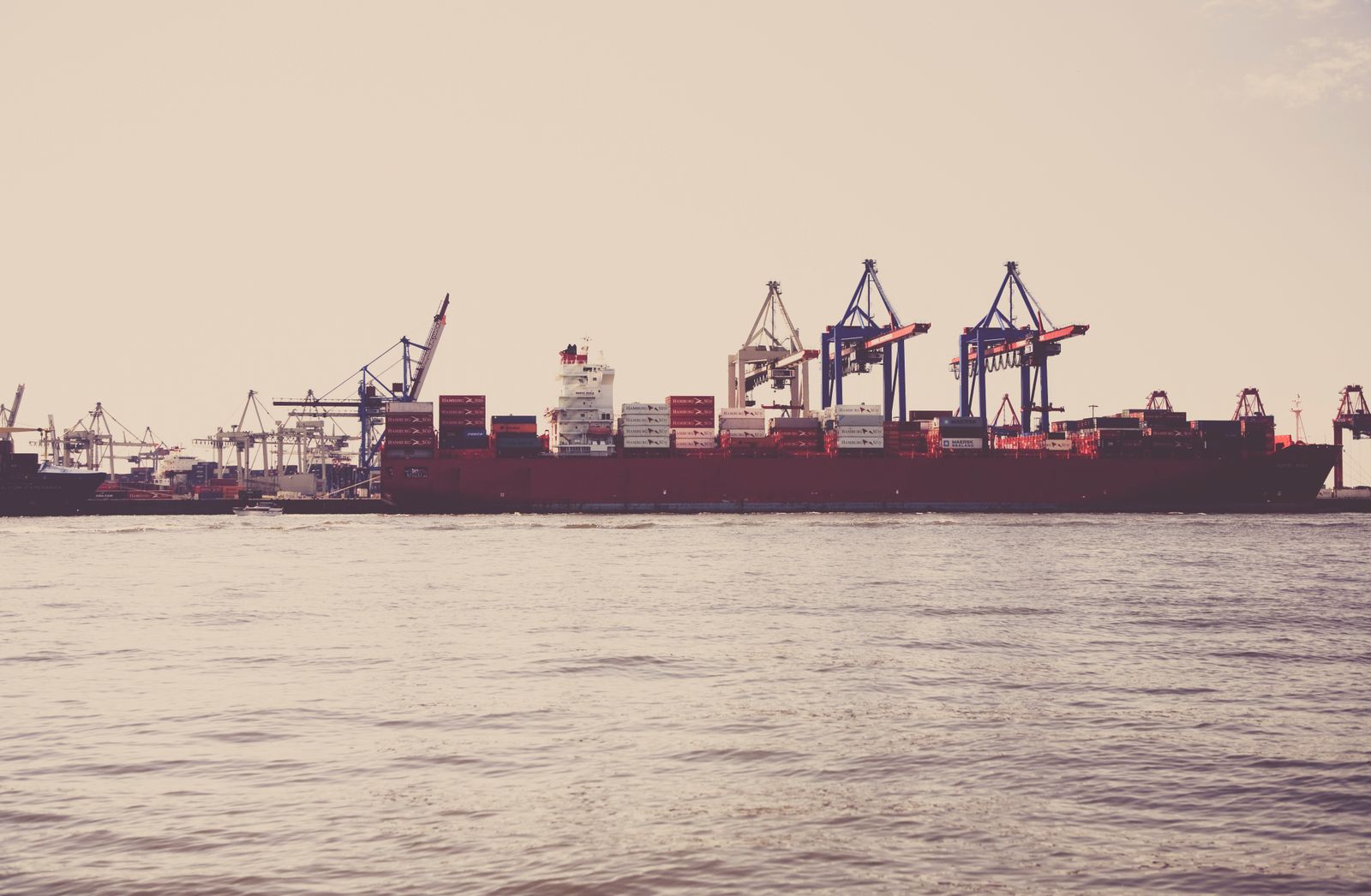
Two questions come up in every conversation with importers this year. What does the fighting in the Middle East do to my freight bill, and is the cedi going to hold. Here is what the numbers say as of September 2026, and what I would do about it if I were buying stock next month.
What actually happened to shipping
Container traffic has been abnormal since late 2023, when Houthi attacks pushed carriers out of the Red Sea and around the Cape of Good Hope. Carriers had begun edging back to Suez by early 2026. Then on 28 February 2026, United States and Israeli strikes on Iran and the retaliation that followed closed the Strait of Hormuz to commercial traffic and stopped the return to Suez. Lines suspended canal transits and reimposed emergency surcharges; CMA CGM announced 2,000 dollars per 20-foot container and 3,000 per 40-foot on affected trades.
Since then the picture has improved unevenly. By September 2026 carriers were restoring Red Sea sailings despite continuing risk: one estimate had more than a quarter of Asia to Europe capacity routed via the Red Sea for the month, with around 35 percent of Asia to Mediterranean headhaul capacity. Even so, weekly capacity through the Bab el-Mandeb strait in August was about 213,000 TEU against roughly 931,000 TEU in August 2023. The lane is functioning, not normal.
What that means for Ghana specifically
Services from China to West Africa do not transit Suez, so the routing itself is unaffected. The costs are another matter. War risk premiums, bunker surcharges and equipment shortages move across the whole network, and when capacity is absorbed by longer voyages elsewhere, rates on secondary lanes firm up too. Oil is the bigger channel: any disruption around Hormuz feeds into fuel, and fuel feeds into freight, transport and everything a Ghanaian business pays to move goods.
If you are quoting a customer for delivery in eight weeks, that is the risk you are carrying. Not a blocked canal, but a surcharge that appears after you fixed your price.
Ghana's own position is stronger than it was
Inflation fell to about 3.2 percent in March 2026, from 22.9 percent in 2024 and a peak far above that in 2022. Growth came in at 5.8 percent in 2025, the Bank of Ghana cut its policy rate through 2025 and into 2026, gross reserves rose to roughly 14.4 billion dollars, and the country ran a trade surplus in the first part of the year. Gold and cocoa prices have done a lot of that work.
The weak spot is the exchange rate. The cedi still depreciated through 2026, by roughly 8 to 10 percent depending on whose data you use, trading around 11.4 to the dollar in mid-year. PwC Ghana expects about 13 to the dollar by the end of 2026. Better inflation numbers have not removed the underlying demand for foreign exchange, because Ghana imports most of what it consumes and exports a narrow set of commodities.
The China relationship got cheaper in one direction
From 1 May 2026, China removed tariffs on all products from 53 African countries with diplomatic ties, including Ghana, initially for two years while a longer partnership agreement is negotiated. Ghana and China traded a record 14.1 billion dollars in 2025, up 19.3 percent, with Ghanaian exports to China at 2.67 billion dollars.
So the export door to China is open wider than it has ever been, at exactly the moment global freight is jumpy and the cedi is drifting. For a business that earns dollars or renminbi from exports, that is a hedge. For a pure importer, it is someone else's good news.
Five things I would do before the end of the year
- Price with a currency buffer. Build 10 to 15 percent of cedi depreciation into quotes that run more than a quarter, and stop matching dollar-denominated costs against cedi prices set three months ago.
- Ask whether freight quotes are all-in. Get the validity date and the surcharge position in writing. A rate that excludes war risk is not a rate.
- Shorten the cash cycle. Two smaller air shipments often beat one big sea shipment when the currency is moving, even at a higher freight cost per kilo, because your money is tied up for weeks instead of months.
- Look at the export side. If you handle cocoa, cashew, shea, textiles or handicrafts, the zero-tariff window is a two-year opportunity with a clock on it.
- Move deadlines forward. Ghana's new vehicle import standards take effect on 1 October 2026, with pre-shipment inspection in the country of origin. Regulatory dates do not wait for market conditions.
What I am not going to pretend to know
Nobody can tell you where the cedi or the Red Sea will be in March. The forecasts above come from the World Bank, the African Development Bank, PwC and shipping analysts, and they disagree with each other. What you can control is the shape of your exposure: how long your money sits in transit, whether your prices carry a buffer, and whether your supplier and freight terms are fixed in writing.
Figures in this article are as of mid-September 2026 and will move. Check current rates with your bank and your freight forwarder before you commit to a price.
See our current air and sea rates, or talk to our team about timing your next order.
About the author : Belive Shop

Related posts


Popular products
-
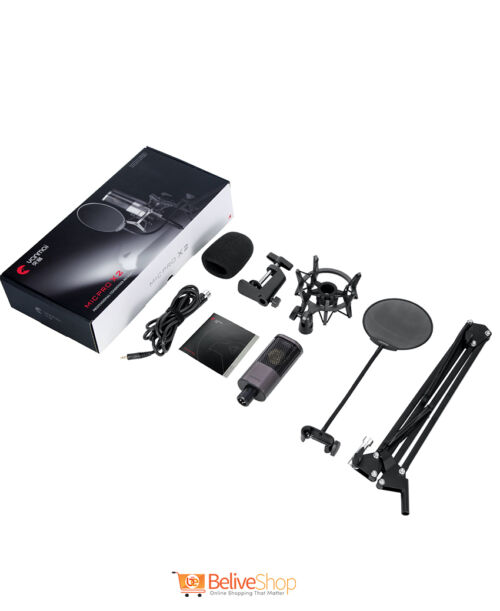 Yanmai MICPRO X2 Professional Cardioid Condenser Microphone Kit
CN¥150.00
-
 YANMAI PS-6 Professional Metal Mesh Microphone Pop Filter – 360° Flexible Gooseneck Clamp
CN¥32.00
-
 PetiteFlex Silicone Watch Band – 18mm
CN¥3.00
-
 Yanmai DS-28 2.4G Wireless TV Headphones with Bluetooth 5.3 & Charging Transmitter
CN¥245.00