
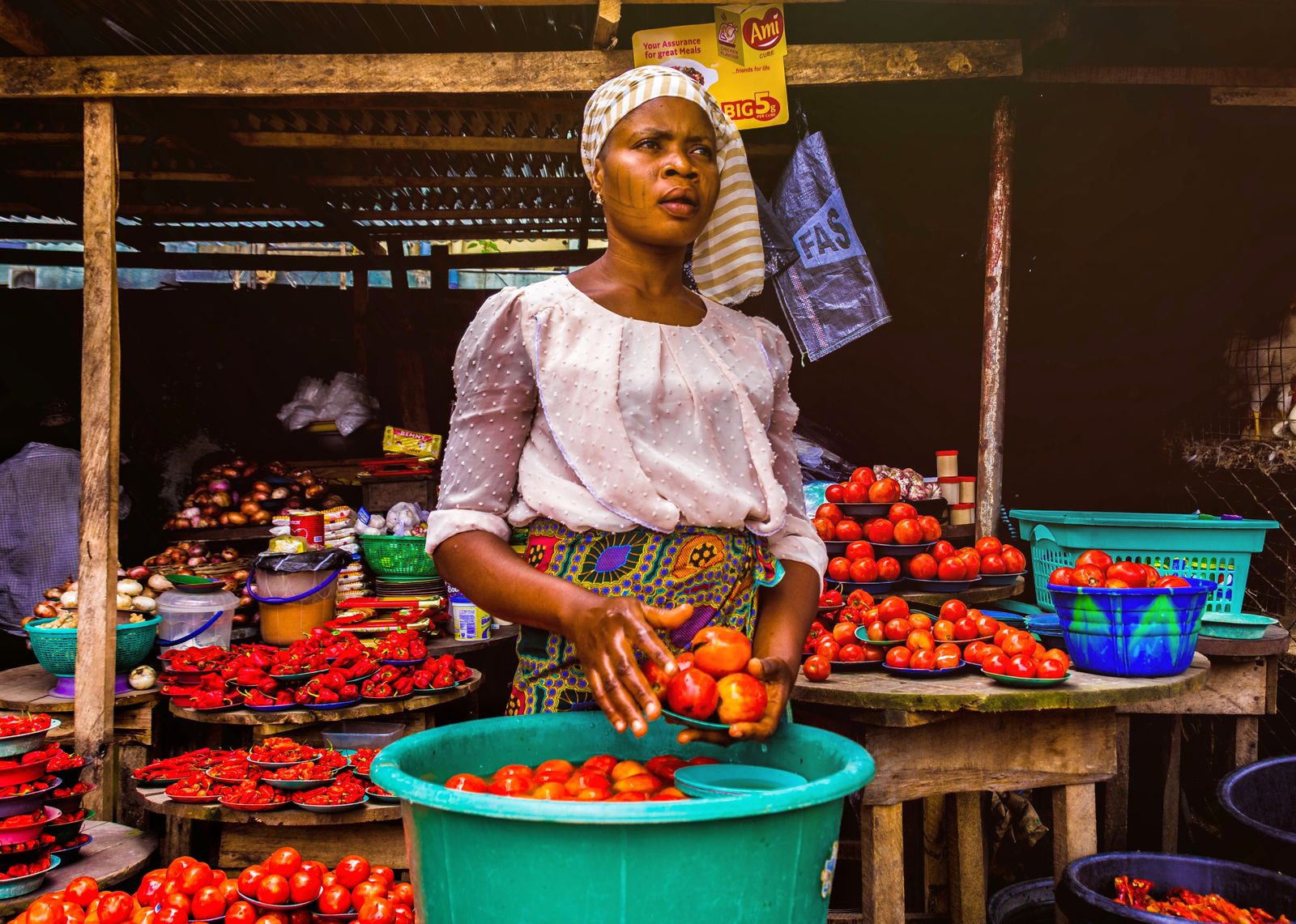
Ghana in late 2026 is a different trading environment from Ghana in 2023. Inflation came down to about 3 percent by March 2026 after peaking above 50 percent two years earlier, the Bank of Ghana has been cutting its policy rate, and the cedi has spent most of the year in the 10 to 11.5 range against the dollar rather than falling through the floor. Growth ran at 5.8 percent in 2025.
Cheap money is still not here, and importers know how quickly the currency story can turn. But planning is possible again, and these six businesses are the ones we see working for people who buy from China and sell in Ghana.
1. Electric vehicles and e-mobility
Chinese EVs have made the maths work. A used BYD or Xpeng landed in Tema costs a fraction of a comparable European car, and fuel savings are the selling point for ride-hailing drivers and small fleets. The constraints are real: charging at home, service and parts, and battery condition on used units.
Two things to get right. First, buy on inspection, since battery health and accident history decide the value. Second, note the new rules: from 1 October 2026 the Ghana Standards Authority requires a Certificate of Conformance issued in the country of origin before shipment, and bars used vehicles over fifteen years old. The service side, charging installation, diagnostics and battery work, is arguably the better business because almost nobody in Ghana does it well yet.
2. Agro-processing for export to China
This one changed in May 2026. China now grants zero-tariff treatment on all products from 53 African countries, Ghana included. Cocoa products that faced tariffs of 8 to 22 percent go in duty free, along with cashew, shea butter, textiles and handicrafts. Ghana exported 2.67 billion dollars to China in 2025, up 33.9 percent.
Raw beans and raw nuts are not where the money is. Processing is: cocoa butter and liquor, cashew kernels, refined shea. Equipment for small and mid-scale processing lines comes out of China at prices that make a plant financeable, and the same container that brings your machinery can bring spares.
3. Phone and gadget retail with repair attached
Handset retail is crowded and margins are thin. Repair is not. A shop that sells phones and also replaces screens and batteries competently earns twice from the same customer and builds the kind of trust that survives a price war. Parts, tools and test equipment all come from Shenzhen, and you can buy small quantities by air.
The trap is stock. Buy locked, activation-locked or poorly refurbished phones and repair income will not save you.
4. Building materials and hardware
Construction in Accra and Kumasi keeps absorbing tiles, sanitary ware, doors, aluminium profiles, electrical fittings and tools, most of it imported. Foshan and Dongguan produce all of it. Sea freight makes bulky goods viable: a full container of tiles carries a freight cost per square metre that a small retailer can live with.
This business rewards patience with paperwork. Get HS codes right, and factor in the port time properly.
5. Solar and backup power
Panels, inverters, lithium storage and solar street lighting sell in Ghana for the obvious reason. Chinese manufacturing has driven component prices down for a decade. The differentiator here is installation and warranty support, not the hardware. Anyone can import an inverter; few businesses answer the phone eighteen months later.
Note the shipping detail: lithium batteries move on restricted air services or by sea, so plan lead times accordingly.
6. Logistics, last-mile delivery and procurement services
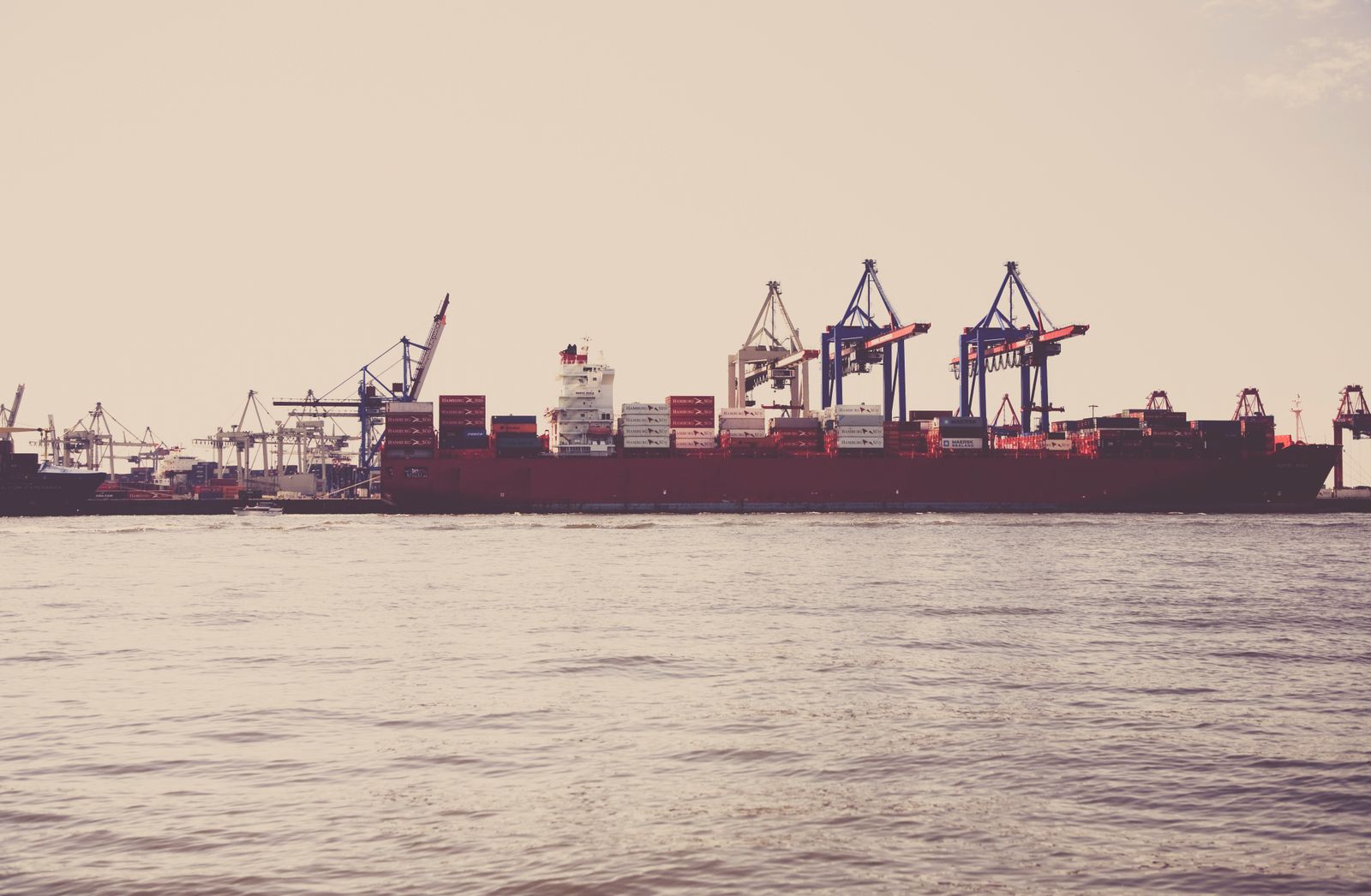
Every business above depends on someone who can move goods and clear them. Small importers need consolidation, inspection and clearing they can trust more than they need another supplier directory. The AfCFTA Secretariat is based in Accra, and intra-African trade volumes give an additional reason to build capability here rather than only on the China leg.
It is also the least glamorous option on this list, which is usually a sign there is room in it.
What these six have in common
None of them is "import cheap goods and sell them". Each pairs a Chinese supply chain with something that has to be done locally: inspection, installation, processing, repair or delivery. That local piece is what protects your margin when the next trader lands the same container.
One honest caveat. Ghana's external position still depends on gold, cocoa and oil prices, and the cedi has weakened through 2026 even with better fundamentals. Price your imports with a currency buffer, and do not borrow in dollars against cedi revenue unless you have a plan for a 15 percent move.
Apply for wholesale credit to fund your first serious order, or start with an inspection on a supplier you are considering.
About the author : Belive Shop

Related posts

Popular products
-
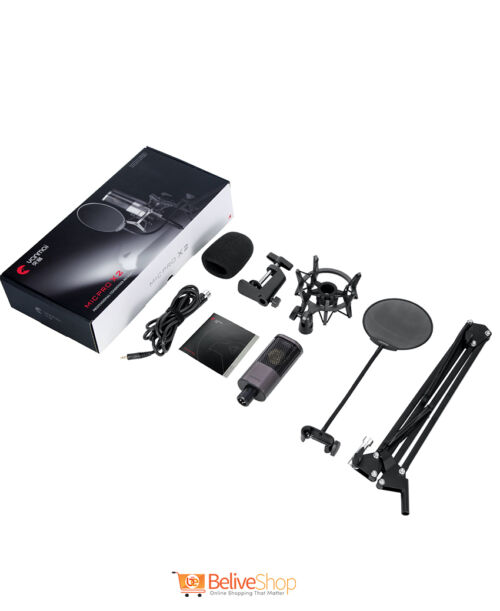 Yanmai MICPRO X2 Professional Cardioid Condenser Microphone Kit
CN¥150.00
-
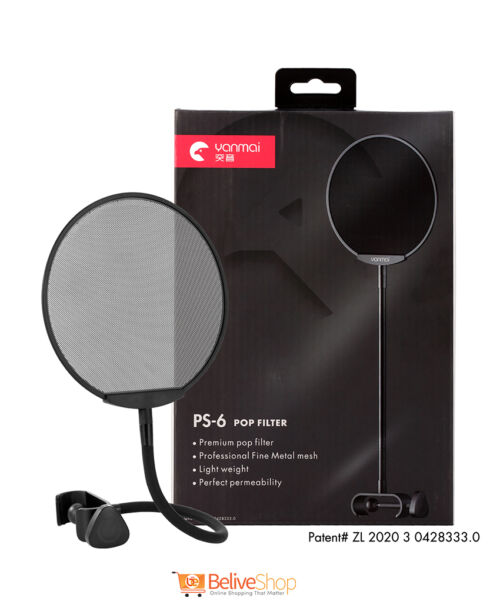 YANMAI PS-6 Professional Metal Mesh Microphone Pop Filter – 360° Flexible Gooseneck Clamp
CN¥32.00
-
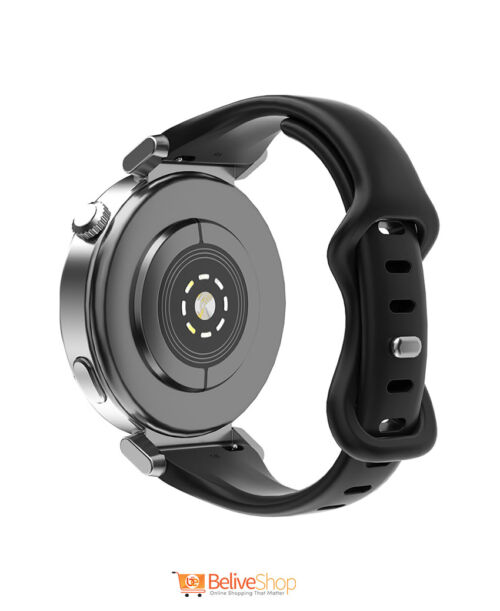 PetiteFlex Silicone Watch Band – 18mm
CN¥3.00
-
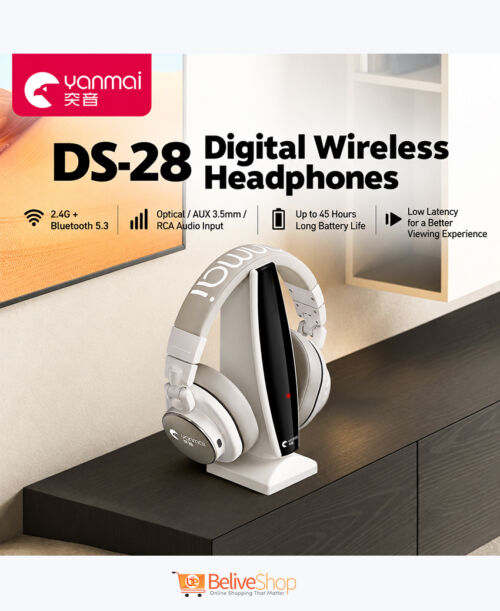 Yanmai DS-28 2.4G Wireless TV Headphones with Bluetooth 5.3 & Charging Transmitter
CN¥245.00