

Trading with China works. It also goes wrong in predictable ways. These five problems account for most of the money our customers have lost before they started buying through an agent, and each one has a practical fix.
1. Quality that drifts after the first order
The sample is excellent. The first order is fine. The third order comes with thinner plastic, a different chipset or stitching that fails after two washes. Sometimes this is deliberate, more often it is a factory substituting a component that ran out, or subcontracting overflow production to a workshop you never saw.
The fix: write a specification, not a description. Material, thickness, weight, model numbers of key components, packaging, tolerances. Keep the approved sample. Inspect every order against it before payment of the balance, not after arrival. A pre-shipment inspection costs a fraction of one rejected batch.
2. Paying the wrong party
Deposits sent to personal accounts. Suppliers who change bank details by chat message mid-order. Trading companies presenting themselves as factories. Occasionally, outright impersonation of a real company's name and logo.
The fix: ask for the business licence and check that the company name on it matches the name on the invoice and the bank account. Treat a change of bank details as a red flag until you confirm it by voice call. Structure payments as a deposit and a balance against inspection. For large orders, a letter of credit shifts the risk, which is one reason our B2B credit customers use one.
3. Landed cost surprises
A trader buys 500 units at a good price, then discovers that volumetric weight doubled the air freight bill, or that customs valued the goods well above the invoice, or that the goods sat at the port for three weeks accruing storage. The margin that looked like 40 percent turns out to be 6.
The fix: build a landed-cost sheet before you order. Goods, freight on the correct route, duty and levies on the customs value rather than your invoice, clearing, transport, and a line for finance cost if you borrowed. Get the HS code from your clearing agent in advance, because classification decides the duty band. Then decide whether the deal still works.
4. Communication gaps that look like agreement
"Yes" sometimes means "I heard you". Specifications discussed on a call get remembered differently on each side. Translation flattens detail. Nobody is lying, and you still end up with 2,000 units in the wrong shade of blue.
The fix: confirm in writing, in numbered points, and ask the supplier to repeat the critical items back to you. Use photos and drawings more than adjectives. Pantone codes instead of "royal blue". Keep the whole thread in one chat so there is a record.
5. Time: holidays, lead times and the 2026 freight market
Chinese New Year closes factories for one to three weeks and the ramp back up is slow. Peak season before Christmas tightens air capacity. And the ocean market has been unsettled since 2023: after the Red Sea attacks, carriers rerouted around the Cape of Good Hope, and the escalation between the United States, Israel and Iran in February 2026 pushed war risk surcharges back into quotes. Suez traffic has been recovering through 2026, with carriers restoring some Asia to Europe sailings by September, but capacity through the Bab el-Mandeb strait was still far below 2023 levels.
West Africa services do not use Suez, so the direct routing impact is limited. The knock-on effects are not: surcharges, equipment shortages and schedule reliability all move with the wider market.
The fix: plan seasonally. Order before the New Year shutdown, not during it. Add two weeks of buffer to any quoted lead time. Ask whether a quote is all-in or subject to surcharges, and get the validity date in writing.
The pattern behind all five
Every one of these problems is cheap to prevent in China and expensive to solve in Ghana. Once a container sails, you have lost your leverage. Spend the money on specification, verification and inspection while the goods are still on the factory floor.
Have your next order inspected before it ships, or apply for wholesale credit if cash flow is the constraint rather than sourcing.
About the author : Belive Shop

Related posts



Popular products
-
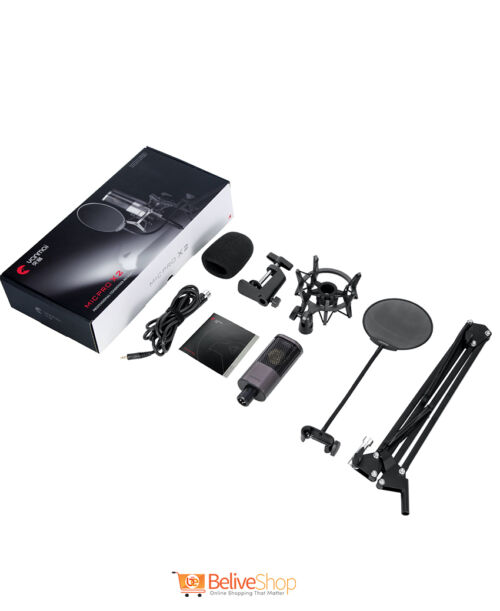 Yanmai MICPRO X2 Professional Cardioid Condenser Microphone Kit
CN¥150.00
-
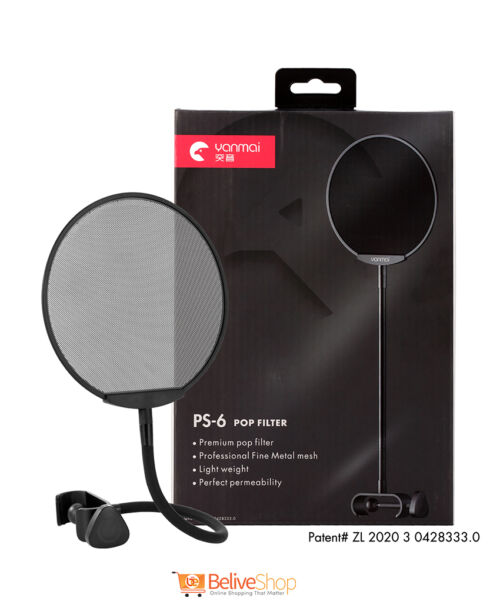 YANMAI PS-6 Professional Metal Mesh Microphone Pop Filter – 360° Flexible Gooseneck Clamp
CN¥32.00
-
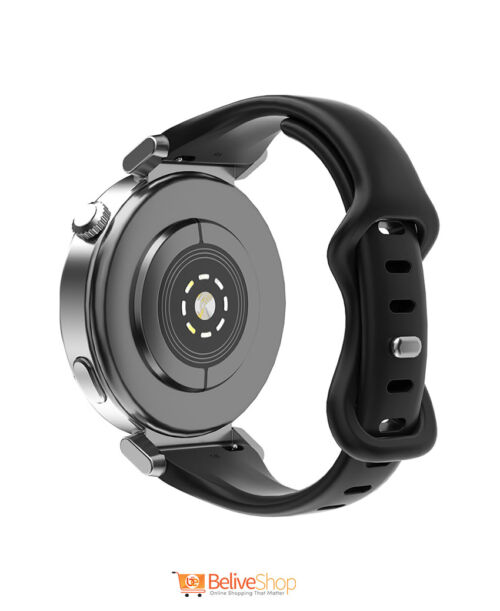 PetiteFlex Silicone Watch Band – 18mm
CN¥3.00
-
 Yanmai DS-28 2.4G Wireless TV Headphones with Bluetooth 5.3 & Charging Transmitter
CN¥245.00