

China is not one market. Ask for phones in Yiwu and you will get a polite shrug. Ask for Christmas decorations in Shenzhen and you will pay twice what you should. Buying well means knowing which city does what, because each cluster has its own factories, its own wholesale market and its own price floor.
1. Guangzhou: the general trade capital
If you only visit one city, it is this one. Guangzhou has wholesale markets for clothing, shoes, bags, beauty products, auto parts and building materials, often several buildings deep on one street. It is also home to the Canton Fair, held twice a year at the Pazhou complex. The autumn 2026 session runs in three phases: 15 to 19 October, 23 to 27 October, and 31 October to 4 November. Phase one covers electronics, machinery and vehicles, phase two home goods and building materials, phase three fashion, textiles and food.
2. Shenzhen: electronics and anything with a battery
Phones, tablets, accessories, power banks, security cameras, drones, LED displays. Huaqiangbei is the market everyone has heard of, and it is still where you go to see what is new before it reaches retail. Shenzhen is also where you find repair parts and refurbishing workshops, which matters if you are buying used phones: the same building can sell you a genuine screen and a copy of the same screen.
3. Yiwu: small commodities in bulk
Yiwu International Trade City is the place for the thousand small things a shop sells: stationery, toys, jewellery, kitchen tools, party supplies, hair accessories. The scale is hard to describe until you are in it. Prices are low because order quantities are high and margins per item are tiny. Yiwu suits buyers who want mixed containers of many SKUs rather than one product in depth.
4. Dongguan and Foshan: furniture, hardware and machines
Foshan is the furniture and ceramics centre, with kilometres of showrooms on Lecong Road, plus tiles, sanitary ware and aluminium. Dongguan, next door, does furniture too, along with hardware, moulds, shoes and electronics assembly. For anyone importing sofas, doors, tiles or kitchen cabinets, these two cities are the starting point.
5. Shantou and Chaozhou: toys, underwear and ceramics
Chenghai in Shantou is the toy manufacturing hub. Chaozhou next door makes ceramics and sanitary ware. Shantou also has a large underwear and hosiery cluster. These are smaller cities with fewer English speakers and fewer trading companies, so you gain on price and lose on convenience.
6. Ningbo and Yiwu's neighbours: appliances and electricals
Ningbo and the wider Zhejiang region make small appliances, electrical fittings, tools and stationery. Cixi, near Ningbo, is known for kitchen appliances and plastic goods. Ningbo is also a major port, which sometimes means better freight options than shipping out of the south.
7. Quanzhou and Jinjiang: shoes and sportswear
Fujian province is where a lot of Africa's sports shoes come from. Jinjiang produces sneakers at every price level, and the factories there supply both local Chinese brands and export buyers. If footwear is your line, you will do better here than in a general market.
How to use this if you are not travelling
You do not have to fly to Guangzhou to buy from Guangzhou. What you do need is someone on the ground who can visit the right market, compare three suppliers in the same building, check quality before the goods are packed and consolidate everything into one shipment. That is exactly what our team does from China: we buy in the cluster that makes your product, inspect it, then ship it by air or sea to your port.
One practical tip before you plan a buying trip. Match the city to the product first, then the dates. A week in Yiwu when your product is made in Foshan is a week wasted.
Tell us what you want to source and we will tell you which city it comes from and what it should cost landed.
About the author : Belive Shop

Related posts


Popular products
-
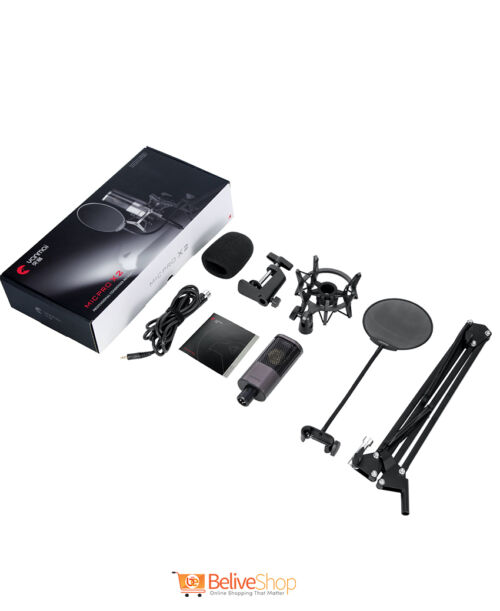 Yanmai MICPRO X2 Professional Cardioid Condenser Microphone Kit
CN¥150.00
-
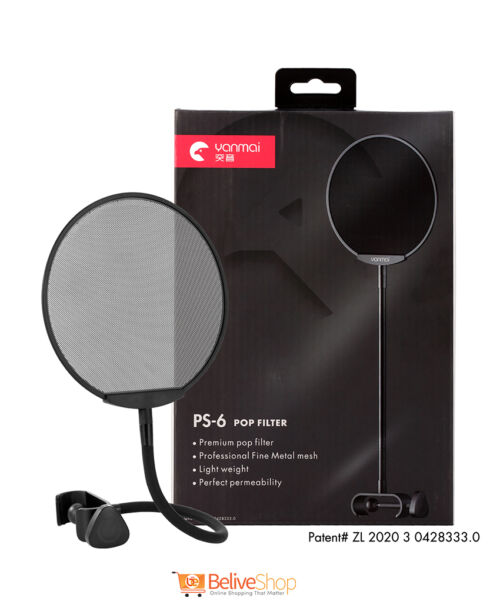 YANMAI PS-6 Professional Metal Mesh Microphone Pop Filter – 360° Flexible Gooseneck Clamp
CN¥32.00
-
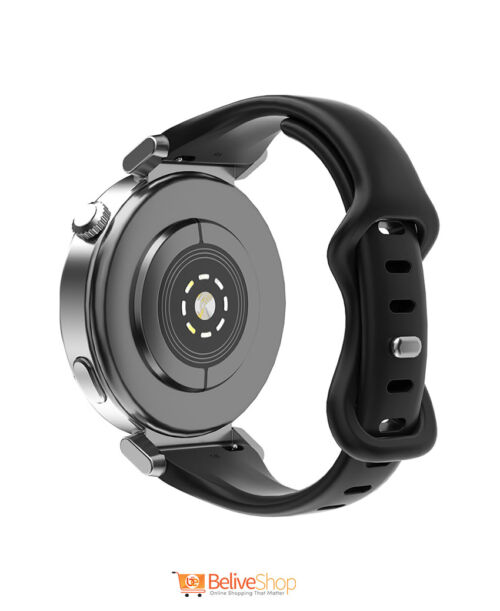 PetiteFlex Silicone Watch Band – 18mm
CN¥3.00
-
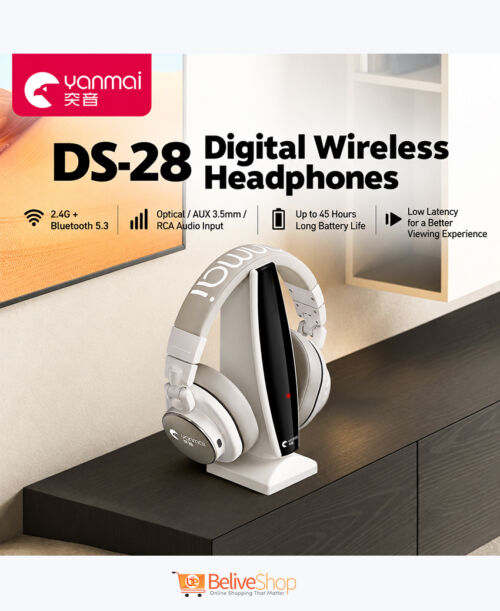 Yanmai DS-28 2.4G Wireless TV Headphones with Bluetooth 5.3 & Charging Transmitter
CN¥245.00