

Most people who buy from China for the first time come back with two things: a shipment that cost more than they planned for, and a list of lessons they wish someone had told them. Here are the ten that come up most often with our customers in Ghana and across West Africa.
1. The price you see is almost never the price you pay
A supplier quote is usually ex-works or FOB. It covers the goods and nothing else. Your real cost is the goods plus air or sea freight, plus duty and levies at your port, plus clearing and delivery. On small electronics that can add 40 to 60 percent. On a low-value, bulky item like plastic chairs, freight alone can cost more than the goods. Work out the landed cost per unit before you fall in love with a unit price.
2. Minimum order quantities are negotiable more often than you think
A listing that says MOQ 500 pieces often means 500 pieces of a custom colour. Ask for the stock version. Ask what they have in the warehouse right now. Many factories will do 50 or 100 units of an existing model, especially if you pay in full and the item is already in production for another buyer.
3. Alibaba, 1688 and Made-in-China are not the same market
Alibaba is built for export buyers, with English support and higher prices. 1688 is the domestic wholesale platform, cheaper, mostly Chinese-language, and set up for delivery inside China rather than to Tema. Made-in-China and Global Sources sit closer to factories and industrial goods. If you are buying on 1688, you need someone in China to receive, inspect and consolidate your goods.
4. Trading company or factory changes everything
Neither is automatically better. A factory gives you a lower price and control over specification. A trading company gives you one contact for twenty different products and often better English and paperwork. What you must not do is pay factory-direct prices to a trading company that is simply forwarding your order. Ask for the business licence, check whether the company name matches the product category, and ask which factory makes the item.
5. Samples cost money and save much more
A sample plus express shipping might cost $60 on a $4,000 order. Skip it and you find out about the wrong charger plug, the thin fabric or the missing certification after the container lands. Pay for the sample, and keep it. When the bulk order arrives, you have something to compare against.
6. Payment terms tell you who you are dealing with
The common structure is 30 percent deposit and 70 percent on completion, before shipping. Be careful with any supplier who insists on 100 percent up front for a first order, and be very careful with payment to a personal account when you are buying from a company. Keep the trail: contract, invoice, bank transfer, chat history.
7. Chinese New Year will disrupt your plans
Factories close for one to three weeks around the Lunar New Year, and staff often return late. Quality also drifts in the rush before the holiday. If you need goods for Christmas or Easter, place orders well before the factory shuts and add two weeks to whatever lead time you are quoted.
8. Inspect before the goods leave China
Once a container sails, your leverage is gone. A pre-shipment inspection, whether it is a third party or your own agent walking the floor with a checklist, is the difference between rejecting 300 defective units in Guangzhou and arguing about them in Accra. That is why we built our Shop for Me service around inspection rather than just forwarding parcels.
9. Duty is calculated on the value customs decides, not the value you declare
In Ghana, declarations go through ICUMS, and customs applies its own valuation benchmarks. Under-declaring to save duty usually ends in a valuation dispute, storage charges and a bigger bill. Get the HS code right, keep your invoice consistent with what is in the box, and budget duty honestly from the start.
10. The relationship is the asset
Suppliers in China quote better prices, hold stock and fix problems for buyers they expect to see again. That means paying on time, giving clear specifications, and not squeezing the last two cents out of every quote. My own experience is that the third order is where the price gets interesting.
Where to start
If you are buying for the first time, start small: one product, one supplier, one shipment, with an inspection before it ships. Learn where your money actually goes, then scale.
Book a factory inspection with Shop for Me or apply for wholesale credit if you are ready to buy in volume.
About the author : Belive Shop

Related posts


Popular products
-
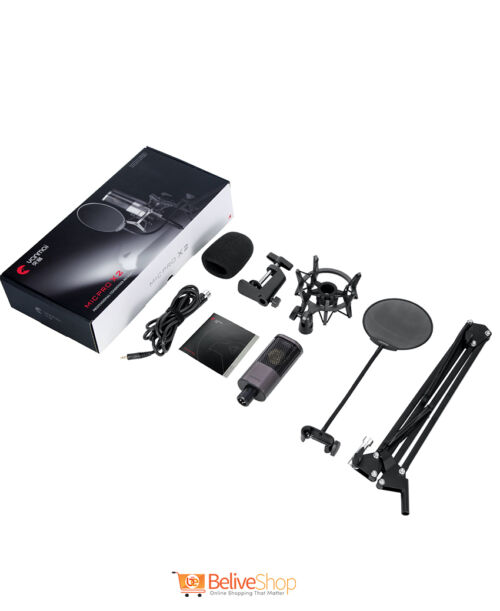 Yanmai MICPRO X2 Professional Cardioid Condenser Microphone Kit
CN¥150.00
-
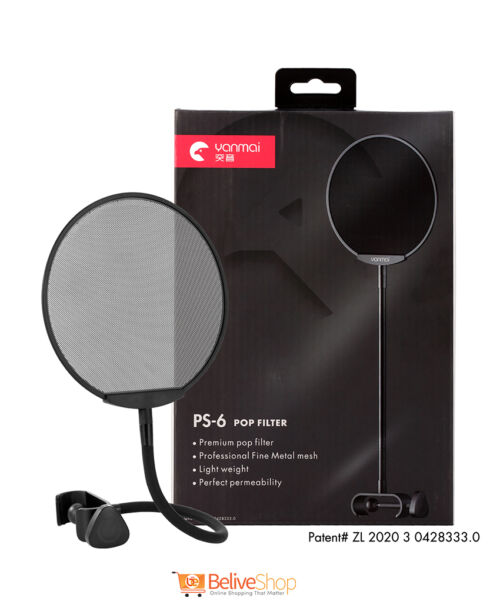 YANMAI PS-6 Professional Metal Mesh Microphone Pop Filter – 360° Flexible Gooseneck Clamp
CN¥32.00
-
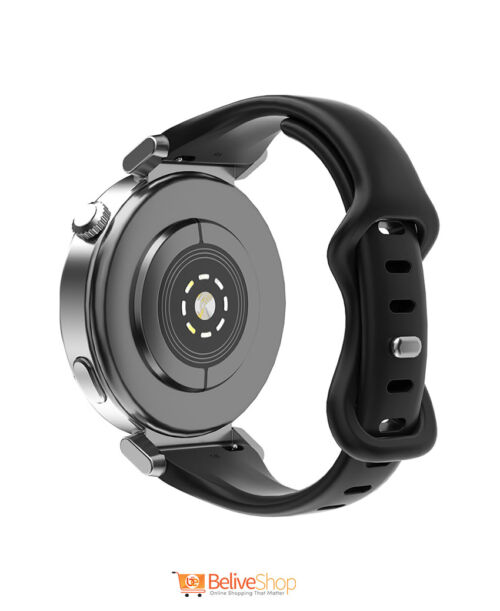 PetiteFlex Silicone Watch Band – 18mm
CN¥3.00
-
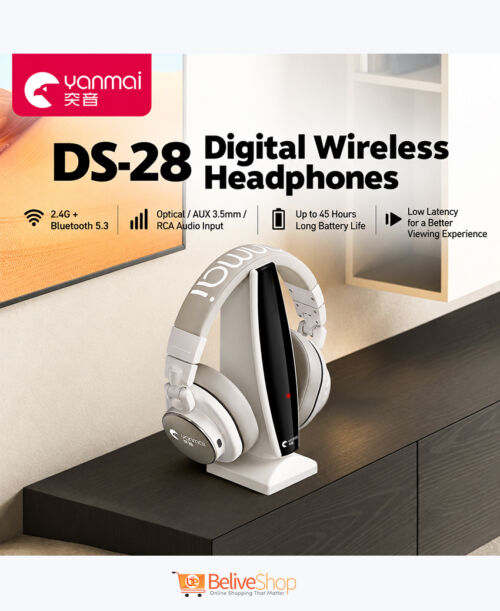 Yanmai DS-28 2.4G Wireless TV Headphones with Bluetooth 5.3 & Charging Transmitter
CN¥245.00