

A quick caution before the list. China has 1.4 billion people, dozens of regional cultures and every political opinion you can imagine, so nothing here describes individuals. What follows is about how business tends to work when you trade with Chinese companies, and about the economic story behind China's reach into Africa. Treat it as context, not as a character sketch.
1. Manufacturing clusters, not just cheap labour
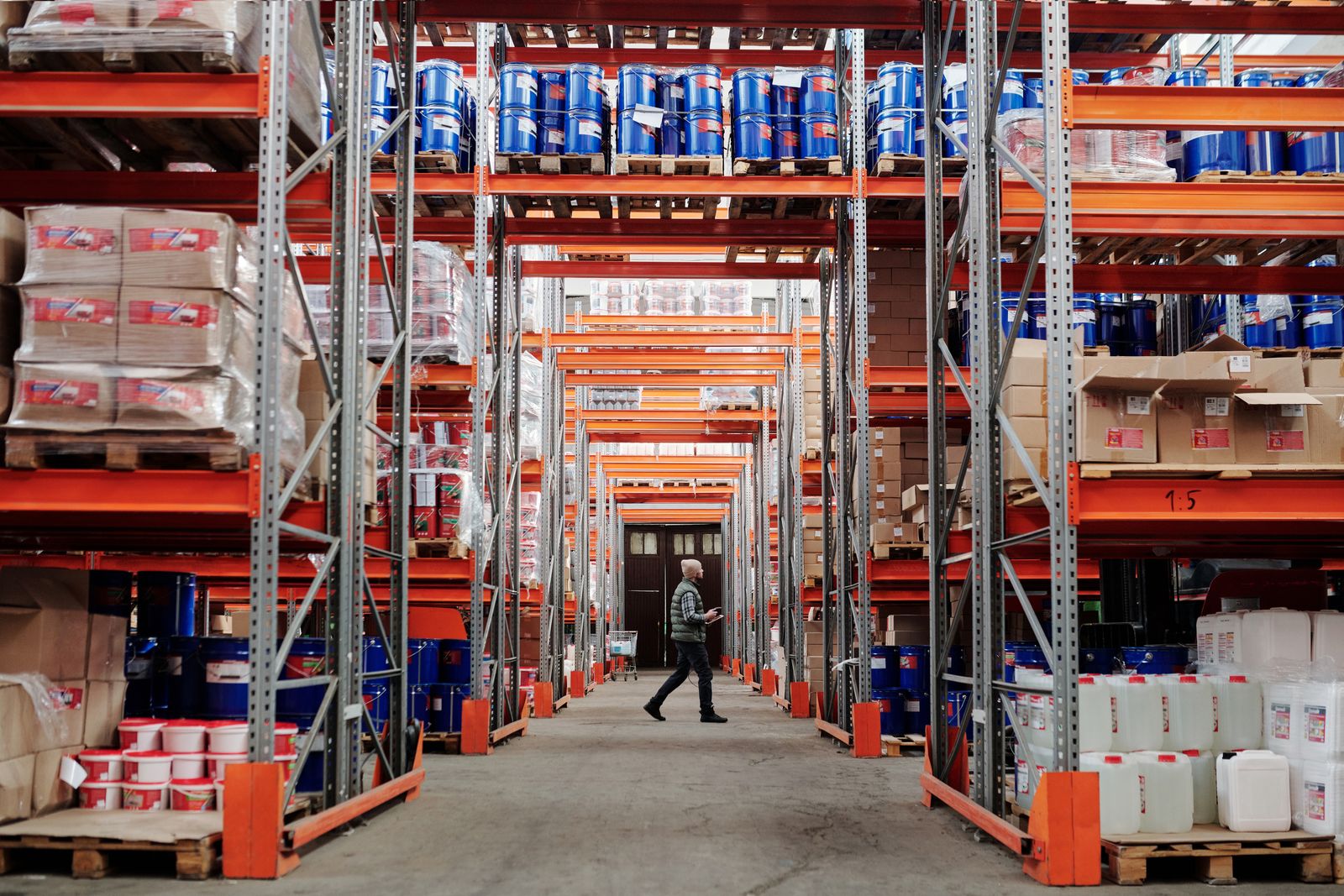
The old explanation for China's rise was low wages. Wages in coastal China are no longer low. What remains is the cluster: in Foshan you can find the sofa factory, the foam supplier, the fabric mill, the hardware shop and the shipping agent within a few kilometres. That density is why a sample can be redone in three days. Competing on labour cost alone has never been the whole story.
2. Speed is treated as a competitive advantage
Suppliers often reply late at night, quote within hours and send a sample before a contract is signed. The flip side is that speed sometimes comes ahead of accuracy: you get a fast answer that later turns out to be optimistic. Confirm the important things in writing, twice.
3. Relationships carry real commercial weight
Guanxi gets described in mystical terms. In practice it is mundane: suppliers extend better prices, hold stock and prioritise production for buyers they trust and expect to see again. Small courtesies matter. Paying when you said you would matters more.
4. Negotiation is normal and is not personal
Haggling is expected, and a firm no is rarely the end of a conversation. What does damage a deal is pushing a supplier below a workable margin. They will accept the price and then find the savings somewhere you cannot see: thinner material, a cheaper component, a shorter test cycle. Cheap quotes are often expensive.
5. Everything runs through WeChat and mobile payments
Business in China happens in one app. Quotes, product photos, factory videos, payment, group chats with your agent and the factory manager. Cash has largely disappeared from daily life in the cities, replaced by QR code payments. If you are sourcing, install WeChat before you start. Email replies will be slower and thinner.
6. The domestic market is now the main event
It is easy to think of China as an export machine. Most Chinese manufacturers now sell mainly to Chinese consumers, through platforms with a scale that is difficult to picture from Accra. That matters to you for two reasons: domestic-market goods are often cheaper than export versions, and the specification you assume is standard may be set by Chinese consumer preferences rather than African ones.
7. Long-term planning, then rapid execution
Industrial policy in China is written in five-year cycles, and 2026 is the first year of the 15th Five-Year Plan. Electric vehicles are the clearest result of that approach: a decade of subsidies, charging networks and battery supply chains, then a flood of affordable EVs that now reach markets like Ghana at prices European brands cannot match. You can disagree with the method and still have to plan around the outcome.
8. The Africa relationship is commercial, and it cuts both ways
Ghana and China traded a record 14.1 billion dollars in 2025, and China is Ghana's largest trading partner. From 1 May 2026 China removed tariffs on all products from 53 African countries with which it has diplomatic relations, Ghana included, for an initial two-year period. Ghanaian cocoa, which faced tariffs between 8 and 22 percent, now enters duty free, along with cashew, shea butter, textiles and handicrafts.
That is an opportunity, and it is also a reminder of the imbalance. Ghana exported 2.67 billion dollars to China in 2025, up 33.9 percent, against total trade of 14.1 billion. Most of the flow is still Chinese manufactured goods coming south and raw commodities going north. Whether zero tariffs change that depends on whether African firms process before they export, which is a decision made in Accra rather than Beijing.
What this means if you trade with China
Learn the cluster that makes your product. Put your questions in writing. Pay on time. Do not chase the lowest quote in the room. And if you sell anything that China now imports duty free, look at the export side of the relationship, not just the import side.
Use our team in China to handle supplier visits and inspections, or talk to us about sourcing a specific product.
About the author : root

Related posts


Popular products
-
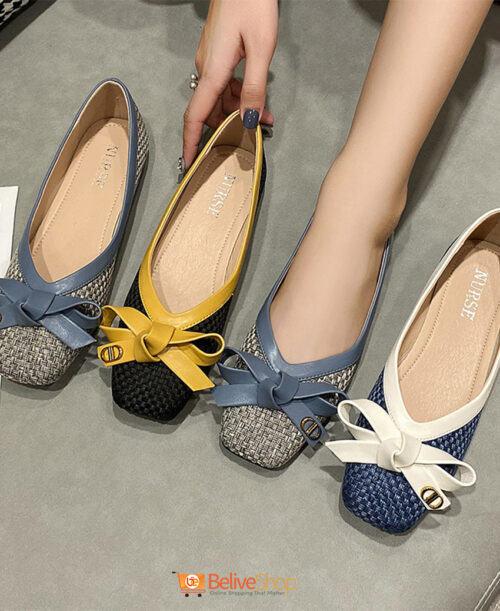 BowKnit Comfort Flats
CN¥79.00
BowKnit Comfort Flats
CN¥79.00
-
 Elegant 3-Piece Ribbed Knit Set (Top + Inner + Pants)
CN¥82.00
Elegant 3-Piece Ribbed Knit Set (Top + Inner + Pants)
CN¥82.00
-
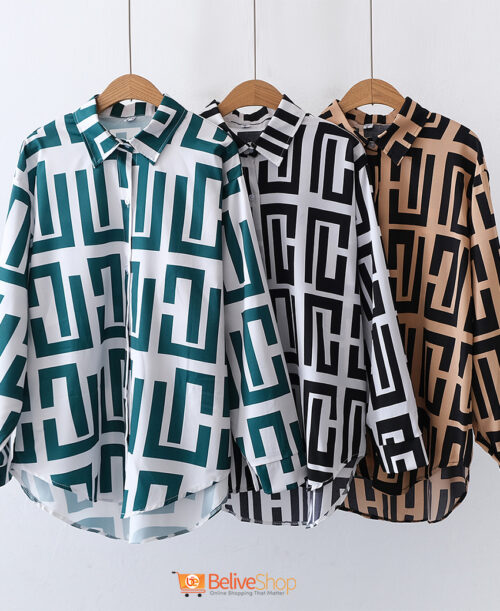 GeoLuxe Patterned Long Sleeve Shirt
CN¥24.00
GeoLuxe Patterned Long Sleeve Shirt
CN¥24.00
-
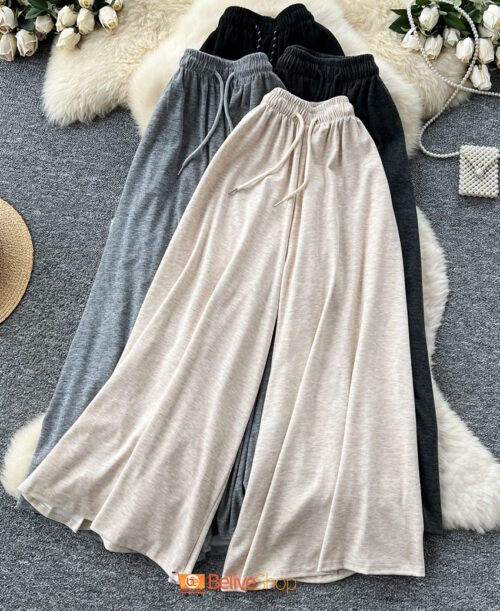 CloudSoft Flow Lounge Pants
CN¥43.00
CloudSoft Flow Lounge Pants
CN¥43.00